Why beverly hills art culture matters as much as the shopping
Step onto Rodeo Drive and the first impression of Beverly Hills is retail, not relief. Yet walk just 200 metres toward the civic core of the city and a different beverly hills art culture emerges, one built on public sculptures, media history and a surprisingly active community of artists. For luxury travellers who measure a destination by its arts culture as much as its suite size, this quieter layer is where the city’s character really lives.
Across the compact hills and palm lined streets, more than 100 works of public art form an open air museum that most visitors never learn about. This network of sculptures, installations and fine art commissions is not a marketing afterthought ; it is a long term city cultural strategy that now shapes how new real estate and hospitality projects are approved. When you book a premium room here, you are also buying into a living experiment in culture creativity, where the arts and the hotel sector are finally speaking the same language.
Compared with the louder cultural narratives of nearby Los Angeles, the beverly hills art culture story is deliberately understated. The City of Beverly Hills leadership has treated culture beverly as civic infrastructure, placing sculptures beside performing arts venues, parks and hotels rather than hiding them in a single art museum complex. That choice matters for repeat visitors, because it turns everyday walks between properties, restaurants and galleries into an ongoing artistic cultural experience.
How luxury hotels frame the cultural conversation
High end properties in Beverly Hills now compete on proximity to arts as much as to shopping. A concierge who can map a guest’s morning run around key works of art or arrange a private gallery visit before an evening film festival screening is no longer a nice to have ; it is a marker of serious hospitality. For solo travellers, this shift means you can land in Los Angeles, check into a hilltop suite and learn the city’s cultural codes without ever joining a tour bus.
Some hotels quietly partner with the local culture commission and the broader culture beverly network to host rotating fine arts pieces in their lobbies and gardens. Others curate in room guides that highlight nearby galleries, public sculptures and performing arts events, turning the minibar directory into a compact city cultural briefing. When you compare properties, look beyond star ratings and ask which ones have staff trained to speak fluently about art culture, not just restaurant reservations.
For a clear read on how different hotels engage with this arts culture, use independent review resources that decode the gap between marketing and reality. A detailed breakdown of Beverly Hills hotels and what their stars and rates actually signal about service and cultural positioning can be found in this insider guide on Beverly Hills hotel ratings and what they really mean. Treat that kind of analysis as your left arrow and right arrow through the noise, a way to navigate toward properties that genuinely integrate works of art and cultural programming into the guest experience.
The public art trail: 100 sculptures hiding in plain sight
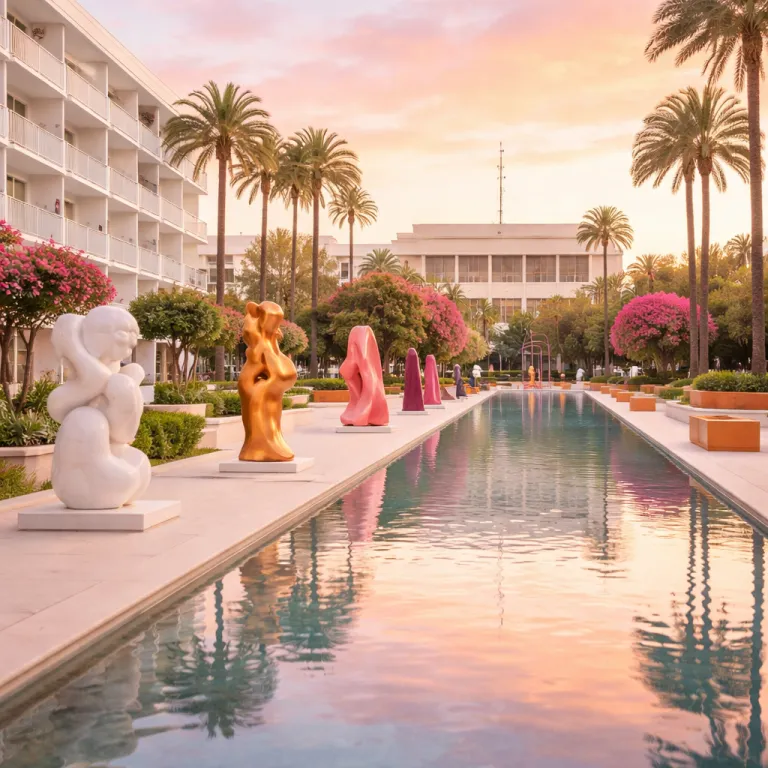
The most persuasive argument for beverly hills art culture is not in a brochure ; it is on the pavement. From the palm framed lawns of Beverly Gardens Park to the quieter residential hills, sculptures appear where you least expect them, often just a few steps from major hotels. This open air museum approach turns the entire city beverly into a walkable gallery, especially appealing if you prefer to explore alone and at your own pace.
City data confirms there are around 100 public sculptures integrated into streetscapes, parks and civic buildings, effectively creating a distributed art museum without walls. Many of these works of art are fine art commissions from established and emerging artists, while others are playful pieces that speak directly to the local community. The result is a layered arts culture in which a single stroll can take you from monumental bronze to experimental installations that feel closer to Santa Monica’s beachside galleries than to a traditional luxury enclave.
To navigate this network, think like a curator rather than a tourist. Start near the Beverly Hills Public Library, where civic buildings, plazas and nearby hotels form a dense cluster of sculptures that showcase how artistic cultural planning has shaped the city cultural core. From there, follow the gentle slope of the hills toward residential streets, using each new piece of art as an arrow pointing you deeper into neighbourhood life rather than back toward the main retail spine.
How hotels can turn a walk into a cultural itinerary
Well briefed concierges now treat the public art trail as a signature amenity, not a footnote. Ask for a custom map that links key sculptures with cafés, galleries and performing arts venues, and you will often receive a hand marked route that feels more like a private tour than a generic city walk. This is where beverly hills art culture becomes tangible, as you learn how each commission reflects a specific moment in the city’s evolution.
Some properties go further, offering guided morning walks led by staff who have trained with the local culture commission or with artists involved in the works of art themselves. On one such walk, a concierge paused beside a familiar sculpture and noted, “Guests photograph this every day, but once they hear the artist’s story, they start asking what else they are missing just off Rodeo.” These walks often weave in stories about how new real estate developments are required to integrate fine arts elements, turning planning regulations into a narrative about culture creativity. For solo travellers, it is an elegant way to meet other guests while still keeping the experience intimate and reflective.
Even without a guide, you can use the city’s own signage as a kind of analogue arrow slideshow, moving from plaque to plaque like tapping a left arrow through a digital gallery. Each stop adds another layer to your understanding of arts culture in Los Angeles, showing how Beverly Hills has chosen a quieter, more integrated path than the warehouse style galleries downtown. By the time you return to your hotel, the city’s reputation has usually shifted in your mind from pure luxury to something more culturally grounded.
The Paley Archive: a broadcast time machine inside a quiet library
While the sculptures claim the streets, the most unexpected piece of beverly hills art culture sits within the broader Paley Center for Media collection, which is accessible in Beverly Hills through the Beverly Hills Public Library. Inside, curated access to more than 160,000 television and radio programs effectively turns this civic building into a specialised art museum for broadcast media. For anyone fascinated by film, television and the performing arts, it is one of the most compelling cultural experiences in Los Angeles.
The Paley Center for Media maintains this archive, and the library hosts it as part of a broader push to embed arts culture into everyday community life. Officially, “What is the Paley Archive? A collection of over 160,000 TV and radio programs.” That single line understates the impact ; in practice, the archive functions as a living history of how culture, news, entertainment and even real estate narratives have been shaped on screen and over the airwaves.
For luxury travellers, the appeal lies in the contrast between the low key setting and the depth of material. You can spend an hour between spa appointments watching early Los Angeles news broadcasts, then pivot to classic film festival coverage or landmark performing arts recordings that rarely screen elsewhere. It is a reminder that beverly hills art culture is not only about fine art objects and galleries, but also about the moving images and sounds that defined the city cultural identity for generations.
Designing a media focused cultural day from your hotel
A smart way to structure a day is to anchor it around the Paley Archive and build outward. Start with a morning session at the library, where staff from the Beverly Hills Public Library can help you learn how to navigate the digital catalogue and select programs that match your interests in film, arts or news. Then step outside to trace how the surrounding civic architecture, sculptures and nearby galleries echo the stories you have just watched.
Many high end hotels are within a short walk or a brief car ride of the library, making it easy to fold this experience into a broader beverly hills art culture itinerary. Concierges who understand culture beverly will often suggest pairing the archive with an evening at a nearby performing arts venue or a private visit to a fine arts gallery that specialises in works of art related to cinema or television. This kind of cross medium programming turns a simple library visit into a full day of artistic cultural immersion.
Compared with the more industrial art museum complexes in other parts of Los Angeles or in Santa Monica, the Paley Archive feels almost residential in scale, which suits solo travellers who prefer quiet focus over crowds. You move through the material at your own pace, using each program as an arrow pointing back to the streets outside, where the same city cultural forces play out in sculpture, architecture and even hotel design. It is a rare example of a destination where broadcast history and public art genuinely speak to each other.
From Route 66 to global events: where beverly hills art culture goes next
Beverly Hills is not treating culture as a static collection of objects ; it is actively programming its future. With major events on the horizon in Los Angeles, from global football tournaments to the centennial of Route 66, the city beverly is investing in cultural exhibitions, public art installations and community events that will sit alongside the traditional hospitality offer. For travellers, this means that booking a room here over the next few years is also a ticket into a shifting arts culture landscape.
City initiatives already link digital archives, public sculptures and educational programs into a single artistic cultural framework. The cultural exhibition built around the Paley Archive and the 100 public sculptures is designed to preserve media history, promote public art and engage the community through methods that range from library resources to outdoor performances. This integration of fine arts, performing arts and media aligns with a broader culture commission vision that treats culture creativity as a core part of urban planning, not a decorative extra.
For the luxury hotel sector, the implication is clear. Properties that align themselves with this evolving beverly hills art culture, whether through partnerships with galleries, support for film festival events or commissions of new works of art, will feel more relevant to guests who travel for meaning as much as for comfort. Those that ignore the shift risk becoming interchangeable with any high end address in any other real estate market, a dangerous position in a city where repeat visitors expect depth.
How to read a hotel through its cultural footprint
When you scan hotel options, look beyond the usual amenities list. Ask how the property engages with the local culture commission, whether it hosts or supports performing arts events, and how its public spaces integrate fine art or photography from Los Angeles and beyond. A lobby that doubles as a rotating gallery, or a screening room that hosts film festival previews, tells you more about a hotel’s values than any press release.
Pay attention to how staff talk about the city cultural scene when you ask for recommendations. Do they point you only toward shopping and dining, or do they also suggest galleries, public sculptures, the Beverly Hills Public Library and the Paley Archive as part of a rounded beverly hills art culture itinerary ? Their answers reveal whether the property sees culture beverly as a living ecosystem or as a line item in a brochure.
For solo explorers, the most rewarding stays tend to be in hotels that act as both base camp and cultural interpreter. These are the places where a concierge will sketch a route that moves like a subtle arrow slideshow through parks, civic buildings, galleries and performances, each stop connected by a story about how arts culture shaped this small but influential corner of Los Angeles. In a city famous for surface, that kind of guidance is what turns a good trip into a quietly unforgettable one.
Key figures behind Beverly Hills’ cultural identity
- Beverly Hills has around 100 public sculptures integrated into streets, parks and civic buildings, creating an open air museum that significantly expands cultural access beyond traditional venues (source : Love Beverly Hills press information and City of Beverly Hills public art inventory).
- The Paley Archive, curated by the Paley Center for Media and accessible in Beverly Hills through the Beverly Hills Public Library, holds more than 160,000 television and radio programs, making it one of the most substantial broadcast media collections available to the general public in the greater Los Angeles area (source : Paley Center for Media official collection overview).
- The cultural exhibition linking the Paley Archive with the city’s public art aims to preserve media history, promote public art and engage the community through public exhibitions, educational programs and community events, reflecting a coordinated city cultural strategy (source : City of Beverly Hills cultural enrichment materials and arts and culture planning documents).