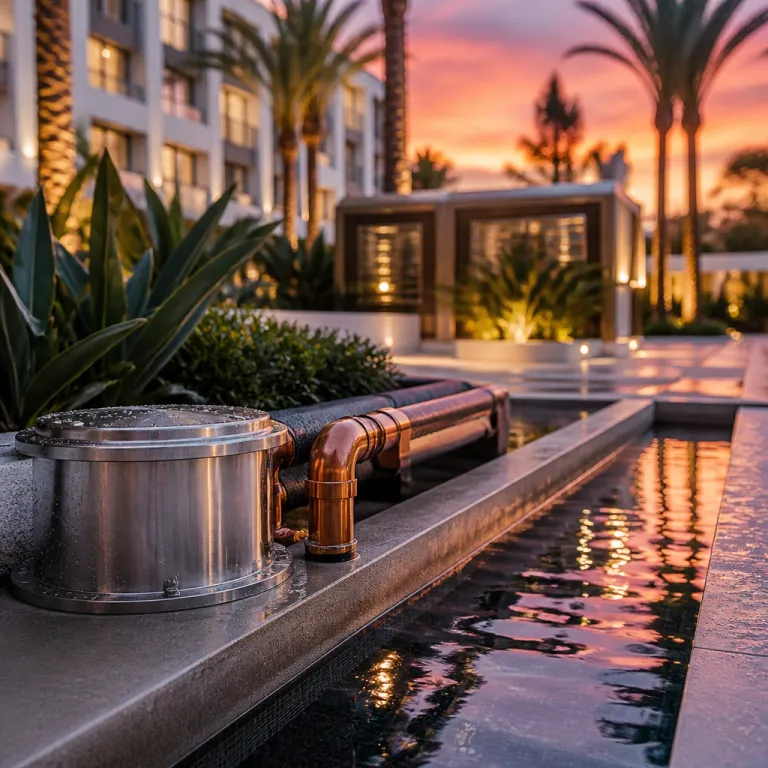
Why sustainable hotels in Beverly Hills now mean infrastructure, not slogans
In Beverly Hills, the phrase sustainable hotels Beverly Hills no longer stops at linen cards. High end properties now treat energy, water and environmental impact as core design questions, not marketing copy, reshaping how each hotel operates behind the marble. For business leisure travelers who split time between meetings in Los Angeles and late nights above Hollywood, that shift changes which hotels genuinely align with eco conscious values.
The most ambitious luxury hotel projects in the hills are being engineered as energy efficient systems from the ground up. Architects talk about energy storage, greywater loops and efficient lighting with the same intensity once reserved for rooftop pools and views over Los Angeles. When you compare hotels across Beverly Hills and nearby Santa Monica, the real story is which certified property has invested in long term sustainability infrastructure and which still relies on small, environmentally friendly gestures.
For travelers using a premium hotel booking website, this matters because sustainability now affects comfort and reliability. A luxury hotel with advanced water conservation and resilient energy design is less vulnerable to California droughts or grid stress, which quietly protects your stay. The best sustainable hotels Beverly Hills offers are also the ones where eco friendly systems support consistent hot water, stable cooling and calm, filtered air while you work or unwind.
Inside the Waldorf Astoria Beverly Hills water and energy systems
The Waldorf Astoria Beverly Hills is the clearest example of how a Los Angeles luxury hotel can turn sustainability into hard engineering. Working with Epic Cleantec, the hotel installed a OneWater system that treats greywater from showers and sinks on site, then reuses it for landscape irrigation around the property. According to the project data, the system can recycle about 438 000 gallons of water each year, with a treatment capacity of roughly 1 200 gallons per day.
That volume matters in Beverly Hills, where water conservation is no longer optional and every sustainable initiative is scrutinized. The hotel’s program reduces demand on the municipal supply while keeping the gardens and rooftop greenery lush, which is exactly where many guests first notice the environmental technology at work. When you walk the terraces above Wilshire, you are seeing a closed loop system that turns what was once wastewater into a resource, a tangible example of sustainable hotels Beverly Hills guests can actually experience.
Guests often ask, “What is greywater?” and the technical answer is simple and precise. “What is greywater?” and “How does the OneWater™ system work?” sit at the heart of the project’s educational material, alongside “Why is water recycling important in California?”. The hotel and its partners use these questions to explain that greywater is wastewater from showers, sinks and laundry, and that the system treats it for safe reuse in irrigation, which directly addresses California’s long running water scarcity.
Energy is the other half of the Waldorf Astoria story, where sustainability and design intersect. The property has adopted advanced storage technology such as Nostromo’s IceBrick, which freezes water at night when grid demand is lower, then uses that stored cooling energy during peak hours. This approach makes the building more energy efficient, cuts greenhouse gas emissions and stabilizes indoor comfort, a quiet but meaningful benefit for guests arriving from long haul flights into Los Angeles.
For travelers comparing sustainable hotels Beverly Hills wide, this level of infrastructure is a useful benchmark. You can ask any hotel whether its environmental program includes on site water treatment or energy storage, or if it only promotes eco friendly amenities like refillable bottles. A property that can explain its energy design, efficient lighting strategy and water conservation numbers is usually far more environmentally friendly than one that simply shares a generic sustainability statement on its website.
If you want to go deeper into which green claims hold up, an excellent resource is the dedicated guide to eco conscious stays and verified green practices in Beverly Hills. That kind of independent analysis helps separate hotels that treat sustainability as a serious certification goal from those that treat it as a soft marketing angle. For a business leisure guest, that difference is the line between a truly environmentally friendly stay and a stay that only feels green on the surface.
One Beverly Hills and the rise of geothermal luxury
Just up the road, the One Beverly Hills development signals where sustainable hotels Beverly Hills are heading next. Anchored by an Aman branded luxury hotel, the project is being built around a deep geothermal field, with around 350 wells drilled beneath the site to handle heating and cooling. Instead of relying solely on conventional chillers, the system uses the stable temperature underground to move energy more efficiently through the building.
That geothermal backbone is paired with an on site photovoltaic array, battery storage and chilled water thermal energy storage, turning the complex into a kind of private microgrid. During sunny Los Angeles afternoons, the solar panels generate electricity that can be stored in batteries or used to chill water, which then carries cooling energy through the hotel during peak demand. For guests, the result is a quieter, more stable indoor climate and a property that remains energy efficient even when the wider grid is under pressure.
Water is treated with the same ambition at One Beverly Hills, which is designed so that its landscape is fully water sustainable. Rainwater and recycled greywater will feed an eight acre botanical garden, planned with more than 40 tree species and over 250 plant species drawn from 13 California botanical regions. In practice, that means the gardens you walk through between meetings or spa appointments are part of a closed loop water conservation system, not a drain on the local supply.
The development is targeting LEED Gold and WELL certifications, two frameworks that go far beyond symbolic gestures. LEED, which stands for Leadership in Energy and Environmental Design, evaluates everything from energy performance and water use to materials and indoor air quality, while WELL focuses on how the building supports human health and comfort. When a certified property reaches LEED Gold, it has met strict thresholds for energy efficient systems, water conservation measures and environmental management across the entire design.
For a traveler choosing between sustainable hotels Beverly Hills offers, those certifications are a practical filter. You can ask whether a hotel is pursuing LEED certification or WELL, and whether it expects to reach Silver, Gold or Platinum, then compare that to your own priorities. A property like One Beverly Hills, with geothermal wells, advanced energy design and a fully integrated water program, will feel very different from a standard hotel that only implements efficient lighting and a few eco friendly amenities.
If you want a deeper dive into how the city is turning luxury sustainability into measurable standards, the analysis on how Beverly Hills is moving from buzzwords to LEED Gold benchmarks is worth reading. It explains how local regulations, investor expectations and guest demand are pushing hotels to align their environmental programs with recognized certification frameworks. That context helps you read between the lines when a hotel in Los Angeles or nearby Santa Monica promotes its green credentials.
How to read LEED, WELL and other sustainability claims as a guest
From a guest’s perspective, the alphabet of sustainability certifications can feel opaque. LEED, WELL and similar frameworks are designed for engineers and architects, yet they increasingly appear on hotel websites and booking platforms. Understanding the basics helps you evaluate which sustainable hotels Beverly Hills truly meet high standards and which simply reference green ideas.
LEED certification assesses a building across categories such as energy, water, materials, indoor environmental quality and site impact. Points are awarded for measures like high performance façades, energy efficient HVAC systems, low flow water fixtures, responsible sourcing and robust recycling programs, then the total score determines whether the property reaches Certified, Silver, Gold or Platinum. When a luxury hotel in Beverly Hills or greater Los Angeles advertises LEED Gold, it signals a serious investment in energy and water performance, not just a few eco friendly upgrades.
WELL certification, by contrast, focuses on how the building supports human health and wellbeing. Criteria include air quality, water quality, light, movement, thermal comfort, sound, materials and community, which together shape how a guest experiences the space over a multi night stay. For business travelers who spend long hours on calls or working from a room, WELL aligned design can mean better acoustics, more natural light and cleaner air, all delivered through environmental systems that are also sustainable.
When you browse a hotel booking website, look for specific details rather than vague sustainability language. A credible environmental program will mention actual technologies such as greywater treatment, geothermal wells, efficient lighting controls or advanced building management systems, along with numbers on water conservation or energy savings. If a property in Beverly Hills or nearby Hollywood only references being eco friendly without explaining how, that is usually a sign to ask more questions.
It also helps to cross check claims against independent reviews and specialist guides that focus on sustainable hotels Beverly Hills wide. Resources that audit green practices, rather than repeat press releases, can highlight which hotels in Los Angeles County are genuinely environmentally friendly. When a certified property is transparent about its LEED certification documents, water use data and energy performance, it becomes easier for guests to share informed feedback and hold the industry to higher standards.
Finally, remember that sustainability is not a binary label but a spectrum. A hotel like the Waldorf Astoria Beverly Hills, with on site water recycling and advanced energy design, sits at one end, while a property with only basic efficient lighting and a towel reuse program sits at the other. Your role as a guest is to decide where on that spectrum you are comfortable staying, then use the available data to align your booking with your environmental priorities.
Beyond Beverly Hills: how LA’s wider luxury scene shapes green expectations
Beverly Hills does not operate in a vacuum, and its sustainable hotels are part of a broader Los Angeles luxury ecosystem. Properties in Santa Monica, Hollywood and other neighborhoods are experimenting with their own environmental strategies, which in turn raise expectations for what a Beverly Hills luxury hotel should deliver. When you compare stays across the city, you start to see patterns in how different brands interpret sustainability.
Along the coast, for example, the Shore Hotel in Santa Monica has built a reputation around eco friendly operations and ocean conscious design. Its approach to energy efficient systems, water conservation and environmentally friendly materials has influenced how travelers think about green stays near the beach. When those same guests move inland to Beverly Hills, they increasingly expect a similar level of transparency and performance from hotels that share the same luxury price point.
Within the city, major brands such as Hilton and Ritz Carlton have rolled out corporate sustainability programs that touch their Los Angeles and Beverly Hills properties. These initiatives often include efficient lighting retrofits, low flow fixtures, waste reduction targets and staff training on environmental practices, which create a baseline for what guests can assume at any branded hotel. The Beverly Hilton, for instance, has long been part of Hilton’s wider sustainability strategy, and that context shapes how its environmental efforts are perceived next to newer, more experimental projects.
Independent and lifestyle properties contribute another layer to the sustainable hotels Beverly Hills landscape. Some focus on being eco conscious through smaller scale measures such as refillable amenities, local sourcing and electric vehicle charging, while others pursue full LEED certification and advanced energy design. As a guest, you can use your experiences across Los Angeles to calibrate what feels like a meaningful environmental commitment and what feels like a minimal gesture.
For travelers planning a longer stay that blends business in downtown Los Angeles with leisure time in Beverly Hills, it can be useful to mix hotel nights with high quality rentals. A curated platform such as elegant vacation rentals in Los Angeles for a refined Beverly Hills stay can offer properties that quietly integrate energy efficient appliances and thoughtful water use. That flexibility lets you compare how different types of accommodation handle sustainability, from full service hotels to private residences.
As expectations rise, the competitive edge shifts toward hotels that can show measurable environmental performance. In practice, that means publishing data on water conservation, energy use and waste diversion, then updating guests as new technologies such as geothermal wells or advanced storage systems come online. Over time, the most respected sustainable hotels Beverly Hills offers will be those that treat sustainability as a continuous improvement process, not a one time certification.
Kimpton Hotel Palomar, L’Ermitage and the quieter side of green luxury
Not every sustainable initiative in Beverly Hills involves drilling hundreds of geothermal wells or installing large scale water recycling plants. Some of the most thoughtful work happens in hotels that integrate sustainability into everyday operations, then refine those systems year after year. For business leisure travelers, these quieter efforts can be just as important as the headline grabbing projects.
The Kimpton Hotel Palomar, part of the Kimpton hotel portfolio in the greater Los Angeles area, has focused on practical, building wide upgrades. Its program includes recycled materials in construction, high efficiency cooling systems, LED based efficient lighting and a clean air vehicle fleet that reduces local emissions. Refillable amenities and reduced single use plastics round out an approach that is both eco friendly and guest friendly, especially for travelers who value small, tangible changes.
L’Ermitage Beverly Hills has taken a similarly methodical path, publishing its sustainability programs and targets rather than relying on vague environmental language. The hotel’s initiatives span energy management, water conservation, waste reduction and community engagement, all designed to make the property more environmentally friendly without compromising its discreet luxury positioning. For guests, that transparency offers a clear way to assess how the hotel’s values align with their own.
These properties illustrate how sustainable hotels Beverly Hills can operate at different scales while still contributing to a greener city. A certified property with LEED or similar recognition may have more visible infrastructure, but a hotel that steadily upgrades its systems and reports on progress can be equally credible. When you evaluate options on a booking website, look for specific references to recycled materials, high efficiency equipment and published sustainability reports.
It is also worth noting how these hotels fit into the broader Los Angeles narrative. As more travelers ask about eco conscious practices, brands like Kimpton and independent properties like L’Ermitage help normalize expectations around energy efficient operations and responsible sourcing. Over time, their steady work pushes the entire Beverly Hills market toward higher environmental standards, even if they do not all share the same level of certification.
For you as a guest, the takeaway is simple but powerful. Whether you choose a flagship property with geothermal wells or a quieter luxury hotel that has optimized its lighting, cooling and materials, your questions and booking decisions reinforce the value of sustainability. The more you prioritize transparent, data backed environmental programs, the more sustainable hotels Beverly Hills will continue to invest in meaningful change.
How to spot greenwashing and support genuinely sustainable stays
As sustainability becomes a standard talking point, greenwashing is an inevitable side effect. Many hotels in Beverly Hills and across Los Angeles now use words like green, eco friendly and environmentally friendly in their marketing, but not all back those claims with serious investment. Learning to distinguish between surface level gestures and structural change is essential if you want your stay to support real progress.
Start by examining how specific a hotel is when it describes its environmental program. A credible property will reference concrete measures such as greywater treatment, water recycling volumes, energy efficient HVAC systems, efficient lighting controls or participation in recognized certification schemes like LEED. If the language stays vague, focusing only on towel reuse, organic menus or a generic commitment to sustainability, that is a sign to ask for more detail.
Next, look for third party validation and data. A certified property with LEED Gold or WELL recognition will usually publish documentation or at least outline which credits it has achieved, including those related to water conservation, energy performance and indoor environmental quality. Hotels that share annual sustainability reports, with numbers on water use per occupied room or energy intensity, are generally more trustworthy than those that rely on broad statements about being eco conscious.
Guest experience can also reveal how deeply sustainability is integrated. In a genuinely sustainable hotels Beverly Hills context, you might notice smart thermostats that actually work, comfortable temperatures maintained with minimal noise, high quality water fixtures that still feel generous and lighting that balances efficiency with ambiance. These details indicate that energy design and environmental goals were considered alongside comfort, rather than bolted on afterward.
Finally, consider how the hotel engages you in its sustainability journey. Properties that invite guests to share feedback on green initiatives, explain how systems like water recycling operate or offer tours of rooftop gardens irrigated with treated greywater tend to be more serious about their environmental commitments. When a hotel is proud to show you the infrastructure behind its claims, from mechanical rooms to landscaped hills, it usually means the work is real.
By applying this lens across your stays in Beverly Hills, Hollywood and the wider Los Angeles area, you help shift demand toward hotels that invest in long term environmental performance. Over time, that pressure encourages more properties to pursue robust certifications, upgrade their systems and join the ranks of truly sustainable hotels Beverly Hills can stand behind with confidence.
Key figures behind Beverly Hills hotel sustainability
- The Waldorf Astoria Beverly Hills OneWater system is designed to recycle about 438 000 gallons of greywater annually for irrigation, a significant contribution in a region facing chronic water scarcity, according to project data from Epic Cleantec.
- The same system can treat approximately 1 200 gallons of greywater per day on site, reducing the hotel’s reliance on municipal water for landscaping and helping stabilize operations during drought related restrictions.
- One Beverly Hills plans to use around 350 geothermal wells beneath the development to handle heating and cooling, which can substantially cut energy consumption compared with conventional systems in similar sized luxury properties.
- The eight acre botanical garden at One Beverly Hills is being designed to be fully water sustainable, using a combination of rainwater and recycled greywater to support more than 40 tree species and over 250 plant species from 13 California botanical regions.
- Properties targeting LEED Gold certification must achieve strong performance across categories such as energy, water, materials and indoor environmental quality, often resulting in energy savings of 20 % or more compared with baseline code compliant buildings.
FAQ about sustainable hotels in Beverly Hills
What is greywater and how is it used at Beverly Hills hotels ?
Greywater is wastewater from showers, bathroom sinks and laundry that does not contain sewage. At properties like the Waldorf Astoria Beverly Hills, this water is treated on site using systems such as Epic Cleantec’s OneWater technology, then reused for landscape irrigation. That approach reduces demand on the municipal supply while keeping gardens and rooftop spaces lush for guests.
How does the OneWater system work in a luxury hotel setting ?
The OneWater system collects greywater from guest rooms and back of house areas, then runs it through advanced filtration and treatment processes to meet strict quality standards for non potable reuse. Once treated, the water is stored and used for irrigation, creating a closed loop that turns what was once waste into a resource. In a luxury hotel, this happens behind the scenes, so guests experience the benefits through resilient landscaping rather than any change in in room water quality.
Why is water recycling so important for Beverly Hills hotels ?
California faces recurring droughts and long term water scarcity, which makes large scale users such as hotels particularly visible. By recycling water on site, properties in Beverly Hills can reduce their impact on regional supplies while maintaining the high service standards guests expect. This also helps hotels manage operational risk, as they are less exposed to future restrictions or price increases on potable water.
What do LEED and WELL certifications mean for hotel guests ?
LEED certification indicates that a hotel’s building meets rigorous standards for energy efficiency, water conservation, materials and indoor environmental quality, often resulting in lower environmental impact and more stable operating conditions. WELL certification focuses on how the building supports human health and comfort, including air quality, light, acoustics and thermal comfort. For guests, staying in a LEED or WELL certified property usually means a more comfortable, healthier environment backed by measurable performance.
How can I tell if a Beverly Hills hotel is truly sustainable or just greenwashing ?
Look for specific details about technologies and performance, such as greywater recycling volumes, energy savings percentages, or participation in LEED and WELL certification programs. Hotels that publish sustainability reports, explain their systems clearly and welcome questions are generally more credible than those that rely on vague eco friendly language. When in doubt, cross check claims with independent reviews and guides that focus on sustainable hotels Beverly Hills wide.