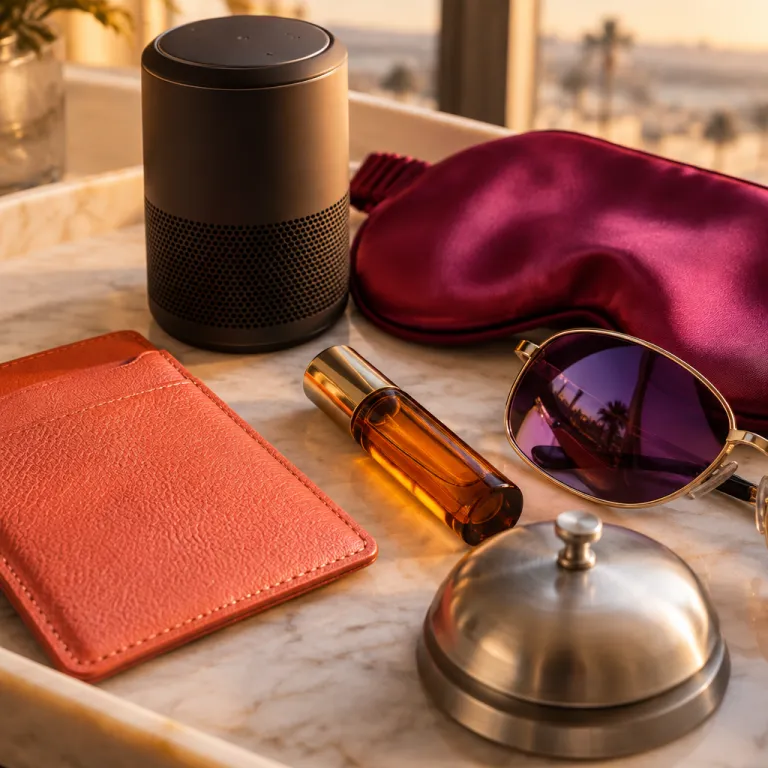
The new luxury equation: when technology serves the guest, not the system
In Beverly Hills, the most coveted luxury hotels now treat technology as a discreet but decisive layer beneath the surface of every guest experience. For business leisure travelers extending a boardroom week into a Wilshire Boulevard weekend, the real test is whether hotel technology removes friction without erasing the human warmth that defines luxury hospitality. The best properties use digital tools, guest data and cloud based management systems to enhance guest comfort in real time while keeping the front desk and floor staff confidently in charge.
Think of the modern guest journey as a sequence of quiet decisions, from the first mobile search on a booking website to the final tap on a mobile checkout screen. At each step, the hotel industry in Beverly Hills now deploys mobile apps, predictive analytics and integrated hotel technology platforms to anticipate needs, shorten waiting time and increase guest satisfaction. Yet the most respected hotel chains in this postcode still insist that every digital transformation must protect the intimacy of the stay, the privacy of guest data and the nuance of face to face customer service.
For you as a guest, the question is not whether a hotel uses technology, but how elegantly it hides the wiring. A property that talks endlessly about technology trends while leaving you in a lobby queue has misunderstood the point of luxury hotels. The properties that matter most quietly align their management systems, energy management tools and digital interfaces so that your experiences feel effortless, personal and unmistakably Beverly Hills.
Human first, digital second: how Beverly Hills hotels choreograph service
Walk into a top Beverly Hills hotel after a long flight, and the first thirty seconds define the entire experience. If the mobile pre check in has worked, the front desk already knows your arrival time, preferred room type and previous experiences across the brand’s hotels. Yet the most sophisticated properties still open with a human welcome, using guest data and hotel technology only as a backstage prompt for the staff rather than a script that replaces conversation.
At The Peninsula Beverly Hills, the much discussed Wellness Concierge illustrates this balance between personalized attention and systematic availability. The service operates around the clock, but the guest experience feels like a private consultation rather than an automated workflow, because the hospitality équipe uses digital tools to coordinate therapists, trainers and in room amenities while keeping every interaction face to face. For travelers booking through a premium site such as Casa Lago Beverly Hills for refined stays and unforgettable celebrations, this blend of human care and quiet technology is now a baseline expectation, not a pleasant surprise.
The real luxury lies in how the staff reads the room, not in how many mobile apps the hotel can advertise. A seasoned front desk manager will use real time alerts from cloud based management systems to see that your flight landed early, then personally walk you to a temporary lounge if the room is not yet ready. When technology trends are handled this way, they enhance guest trust and loyalty, because the guest journey feels orchestrated by people who care rather than by software chasing efficiency.
Inside the room: smart controls, silent systems and the art of restraint
The most telling arena for luxury hotel technology guest experience is the room itself, where comfort, privacy and design must coexist with digital control. At the Waldorf Astoria Beverly Hills, Pierre Yves Rochon’s Streamline Moderne aesthetic hides the wiring so that lighting scenes, temperature and drapery respond to subtle touch panels rather than glowing tablets that dominate the space. The result is a stay where technology trends support rest and focus, while the visual language of luxury hotels remains calm, tactile and timeless.
For business leisure guests, the difference between thoughtful hotel technology and gimmickry becomes obvious after the first night. Smart energy management systems that learn your preferred sleeping temperature and adjust in real time feel invisible, while noisy motion sensors that plunge the room into darkness during a late email session feel like cost cutting disguised as innovation. When you compare refined city escape options through guides such as where to stay in style for a refined Los Angeles escape, pay attention to how each property describes its in room experiences, not just its square meter count.
True luxury hospitality in Beverly Hills now means that mobile apps and digital interfaces never become the main event inside the room. You should be able to adjust lighting, order in room dining or schedule housekeeping from your phone, yet still pick up a handset and reach a well trained staff member within seconds. When hotels strike this balance, they enhance guest satisfaction, protect loyalty and prove that the hotel industry can integrate technology without surrendering the soul of the guest experience.
AI concierges, chatbots and the limits of automation in luxury hospitality
AI concierges and messaging bots have moved from novelty to standard feature across much of the hotel industry, including several high profile hotel chains in Beverly Hills. Used well, these tools handle routine questions in real time, from pool hours to valet pricing, freeing the concierge desk to focus on complex itineraries and last minute restaurant strategies. Used poorly, they insert a digital wall between the guest and the staff, turning what should be a nuanced hospitality experience into a scripted exchange.
For a business leisure traveler, the line is clear. Mobile chat for simple requests, such as extra towels or a late turn down, can enhance guest comfort by eliminating phone queues and allowing you to continue a call while the request is processed through cloud based management systems. But when a chatbot insists on handling a multi stop meeting schedule, or fails to understand that you need a quiet room away from Wilshire traffic for a confidential call, the technology stops being a service and starts eroding guest satisfaction.
The most credible luxury hotels now treat AI as an assistant to the concierge, not a replacement. Predictive analytics might flag that a frequent guest usually books a car to LAX on the final morning, yet a human still confirms the time, checks traffic and offers alternatives if a strike or closure affects the route. In this model, guest data and digital transformation support loyalty and customer service, while the visible experience remains anchored in human judgment, local knowledge and the kind of discretion that no algorithm can fully replicate.
Choosing the right tech forward Beverly Hills stay for business leisure
When you scroll through a Beverly Hills booking site, the language around technology can feel interchangeable, yet the underlying experiences differ sharply. Some hotels trumpet mobile everything, from keyless entry to digital only communication, but deliver a thin layer of service once you arrive at the front desk. Others speak modestly about technology trends while quietly running sophisticated management systems that align housekeeping, energy management and guest journey data to support a genuinely seamless stay.
As a business leisure executive, focus on how each property integrates technology into hospitality rather than on the length of its feature list. Look for signs that mobile apps are optional enhancements rather than mandatory gateways, that hotel technology supports but does not replace staff presence, and that loyalty programs use guest data to personalize amenities instead of pushing generic offers. Properties that also invest in sustainability focused systems, such as those highlighted in analyses of how Beverly Hills is turning luxury sustainability into LEED Gold reality, often show the same long term thinking in their digital transformation strategies.
The most reliable signal remains how a hotel responds when something goes wrong, because even the best technology cannot eliminate every disruption. If a mobile key fails, does a staff member walk you personally to the room with a physical card, or are you sent back to an app tutorial. When a cloud based system misplaces a request, does management step in with a sincere apology and a meaningful gesture that enhances guest trust. Choose the properties where technology serves as a quiet ally to human service, and your Beverly Hills stay will feel both efficiently modern and unmistakably luxurious.
FAQ
How can I tell if a Beverly Hills hotel uses technology well before I book ?
Read how the hotel describes its guest experience, not just its devices. Properties that explain how mobile apps, guest data and management systems support service usually handle technology thoughtfully. Reviews that praise staff responsiveness alongside digital convenience are a strong indicator of a well balanced approach.
Are AI concierges and chatbots useful for business travelers in luxury hotels ?
They are helpful for simple, repeatable tasks such as requesting amenities, confirming opening hours or arranging straightforward transfers. For complex itineraries, confidential meetings or nuanced restaurant choices, you should still expect a human concierge with deep local knowledge. The best luxury hotels let you move seamlessly between digital channels and personal assistance.
Do mobile keys and app based check in reduce the quality of service ?
They can improve the arrival experience when they shorten queues and respect your time, especially after a long flight. Quality drops only when hotels use them to justify fewer staff at the front desk or to avoid personal interaction. In a well run property, you can use mobile tools while still receiving a warm, attentive welcome.
Is my personal data safe when hotels use predictive analytics and cloud systems ?
Reputable luxury hotels work with established technology partners and apply strict data protection standards, because their reputation depends on discretion. You can ask how your guest data is stored, how long it is kept and whether it is shared with third parties. Choose hotels that are transparent about these practices and willing to adjust preferences on request.
Which technology features actually matter most for a Beverly Hills business leisure stay ?
Reliable high speed connectivity, quiet climate control, intuitive in room controls and responsive messaging channels usually make the biggest difference. Smart energy management and real time coordination between departments also improve comfort, even if you never see them. Above all, prioritize hotels where technology clearly supports attentive staff rather than replacing them.