Why beverly hills hotel art exhibitions matter for modern travelers
In beverly hills, hotel art exhibitions have shifted from background décor to a defining part of the stay. Luxury properties now treat every corridor, elevator lobby and room as a potential gallery that can quietly rival a small museum in los angeles. For solo travelers, this means your first cultural stop in beverly hills might be the hills hotel where you check in, not the institution you queue for later.
Across beverly hills, hotel teams curate fine art collections that speak directly to their guests’ tastes and habits. A lobby gallery might feature a rotating showcase of photography, while a more private floor corridor holds a custom series created for the property’s suites. The result is a layered hotel art ecosystem where public spaces feel like a museum foyer and each room becomes a small, personal gallery.
This evolution is not about hanging a single hotel masterpiece above a white marble fireplace. It is about building a coherent art collection that connects the hotel beverly address to the wider los angeles creative scene and to the natural light, black and white contrasts and media saturation that define the city. When done well, beverly hills hotel art exhibitions turn a stay into a cultural itinerary that unfolds between check in and late checkout.
The Beverly Hills Hotel and the rise of the fashion photography exhibition
The Beverly Hills Hotel has become a reference point for beverly hills hotel art exhibitions built around photography. Its collaboration with the Fahey/Klein Gallery on an Arthur Elgort show illustrates how a hills hotel can operate almost like a museum, with a clear curatorial voice and a defined narrative about fashion, celebrity and los angeles. Guests move through public spaces where Elgort’s black and white images feel both cinematic and surprisingly intimate.
In this context, the hotel is not just a backdrop for fine art but an active gallery partner. The exhibition model is simple yet powerful ; the hotel provides a steady flow of international visitors, while the gallery gains a new audience that might never set foot in a traditional museum. For travelers, it means that a casual walk from room to pool can become an encounter with a hotel masterpiece created by a photographer whose work shaped modern media.
These beverly hills hotel art exhibitions also signal how seriously the property takes culture as part of its identity. When a hotel beverly team commits prime wall space to a curated collection, it is telling you that art is not an afterthought but a featured amenity, as important as the spa or the bar. If you want to understand the quieter cultural identity of beverly hills beyond the red carpet, start with this kind of in house gallery program and then explore the wider city through resources like the local guide to sculptures and broadcast archives in the neighborhood.
Hotel Bel-Air and Waldorf Astoria: living landscapes and permanent installations
Not every beverly hills hotel art exhibition hangs on a wall or sits in a white cube. At Hotel Bel-Air, the gardens function as a living gallery where more than one thousand plant species predate the current hills hotel buildings and frame every pathway like a natural installation. Swan Lake, with its reflective water and sculptural trees, reads almost like a site specific artwork created to slow you down between meetings.
Across beverly hills, hotel art also appears in the architecture itself, and the Waldorf Astoria Beverly Hills is the clearest example. Designed by Pierre-Yves Rochon, the property treats every surface as part of a permanent fine art collection, from the black stone in the lobby to the custom metalwork on the rooftop. Walking its corridors feels like moving through a carefully staged gallery where each room, elevator and terrace has been created to showcase a different mood.
For solo travelers, these spaces offer a quiet, self guided museum route without the pressure of a ticketed exhibition. You can treat the gardens at Hotel Bel-Air as a natural sculpture park, then cross town to the Waldorf Astoria to experience architecture as a hotel masterpiece in its own right. Together, they show how beverly hills hotel art exhibitions now extend from framed works to landscapes, façades and even the way light moves through public spaces during the day.
How hotels curate identity through art, from lobby gallery to guest room
Every beverly hills property that takes art seriously uses its collection to answer a simple question ; who is this hotel really for. A hills hotel that lines its lobby with bold, media driven pieces and large scale photography is speaking to guests who live on social platforms and will share every angle on Facebook Twitter and beyond. Another hotel beverly address might lean into fine art paintings and sculpture, signaling a quieter, collector led audience that prefers discretion over spectacle.
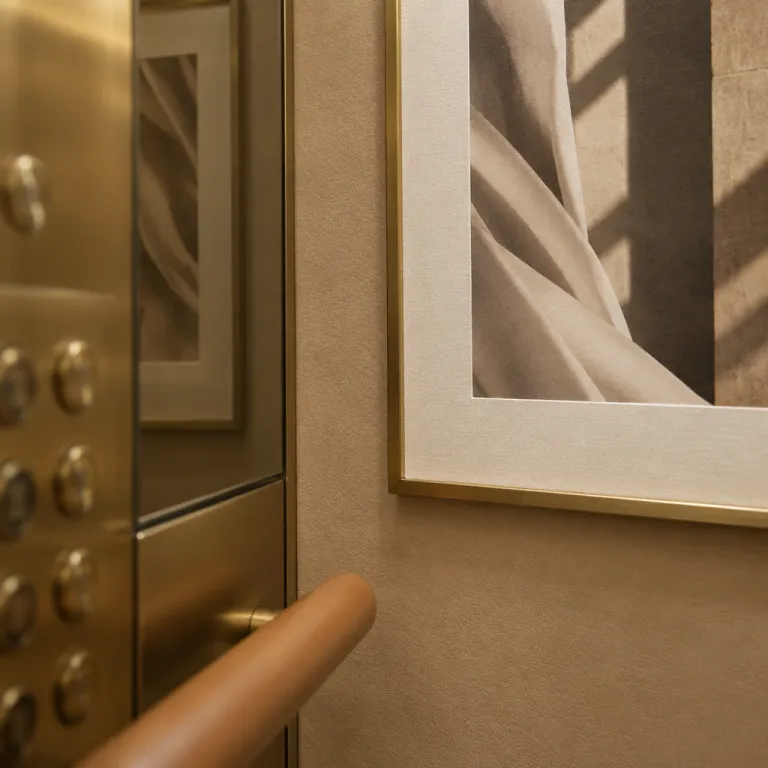
The most interesting beverly hills hotel art exhibitions work in layers, starting with public areas and moving into more private zones. A lobby gallery might feature a rotating showcase of local los angeles artists, while elevator landings hold a permanent collection of black and white works that anchor the building’s visual identity. Inside each room, a smaller custom piece or limited edition print becomes a personal hotel masterpiece that guests wake up to and photograph in natural morning light.
This approach turns the entire property into a curated route rather than a single statement wall. You can move from a bright, white marble entrance to a darker corridor where black framed works create a more intimate mood, then into a room where the art has been created specifically for that category. For travelers comparing options on a booking site, paying attention to how a property talks about its collection can reveal more about its values than any list of amenities.
A solo traveler’s art route through Beverly Hills hotels
One advantage of beverly hills hotel art exhibitions is that you can experience many of them without a room key. Start with a hills hotel that openly welcomes the public into its lobby gallery and bar, then move on to another property where the restaurant corridor doubles as a compact museum of los angeles photography. Call ahead, ask the concierge about public access and you will usually find that quiet midafternoon slots work best.
A practical route might begin at The Beverly Hills Hotel for the headline photography show, then continue to Hotel Bel-Air for its natural landscape gallery and finally to the Waldorf Astoria for architecture as fine art. Along the way, you can build your own collection of images, from black and white lobby shots to color saturated garden views, and share them later on Facebook Twitter or other media. If you are considering a future stay, use this walk as a live preview of each hotel masterpiece and how it feels to inhabit those spaces.
When you are ready to book, look beyond the standard photos and read how each hotel beverly property describes its art program. Some will highlight a featured collaboration with a gallery, others will emphasize custom commissions created for specific suites or a particular room category. For a deeper sense of how design and culture intersect in this neighborhood, it is worth reading analyses of understated luxury such as the guestroom redesign coverage at The Peninsula Beverly Hills, which shows how even subtle choices can turn a space into a quiet hotel art statement.
FAQ
Can I visit beverly hills hotel art exhibitions without staying overnight
Many beverly hills properties allow public access to their lobby galleries, restaurants and bar areas where key works are displayed. Policies vary by hotel, so it is wise to call the concierge and ask which parts of the collection are open to non guests. Aim for off peak hours in midafternoon when staff have more time to answer questions and you can move through public spaces at your own pace.
How should I choose a beverly hills hotel if art is a priority
Start by checking whether the hotel describes a curated collection, named artists or partnerships with a gallery or museum. Properties that treat fine art as part of their identity will usually highlight exhibitions, custom commissions or a permanent collection on their website. When in doubt, email the concierge and ask for a short overview of current and upcoming hotel art programs before you book.
Are the artworks in these hotels for sale to the public
Some beverly hills hotel art exhibitions are purely decorative, while others operate on a gallery model where works can be purchased. When a property partners with a recognized gallery, there is often a price list or a contact card near the pieces, especially in lobby or corridor displays. If you are interested in a specific hotel masterpiece, ask staff to connect you with the gallery or artist representative who manages sales.
What is the best time of day to explore hotel art as a solo traveler
Early mornings and midafternoons tend to be the most comfortable times to explore beverly hills hotel art exhibitions. During these windows, public spaces are quieter, staff are less rushed and you can take time to look closely at works in the lobby, corridors and near elevators. Evening visits can also be rewarding, but expect more people around the bar and restaurant areas, which can make slow looking more challenging.
How do Beverly Hills hotel art programs compare with traditional museums in Los Angeles
Traditional museums in los angeles offer larger collections, deeper archives and educational programming, while beverly hills hotel art exhibitions focus on atmosphere, hospitality and a more intimate scale. Hotels excel at integrating art into daily life, from the moment you enter the lobby to the time you return to your room. For many travelers, the ideal approach is to combine both ; use hotel collections as a daily visual backdrop and dedicate separate time to major institutions for a more structured cultural experience.