Why beverly hills hotel design interior starts with silence
In Beverly Hills, the most luxurious hotel experiences begin with quiet. Behind every calm room is an acoustic strategy that shapes how you sleep, talk, and even argue without hearing the next couple through the wall. When you compare a standard hills hotel in greater Los Angeles with a top property in hills California, the difference in sound control is often what your brain reads as true calm.
Designers now treat silence as a form of decor, as important as any artwork on a white wall or in a curated art collection. Acoustic zoning separates the lively dining room and coffee room from the bedroom corridors, while anti vibration mounts keep mechanical noise from humming through the structure. When you book a hotel in Beverly Hills, you are often paying for this invisible engineering as much as for the iconic swimming pool or the polished marble lobby.
At the most refined hotel pool decks, you will notice how the sound of the water softens conversations and screens out traffic from Los Angeles. Cabanas and bungalows are placed in deliberate order, creating pockets of privacy where couples can talk without raising their voices. This is beverly hills hotel design interior at its most subtle, using landscaping, walls, and even the curve of a pool to turn a busy property into a quiet retreat in the United States.
Light as mood: from lobby gold to bedroom amber
Walk into a landmark Beverly Hills address and the light tells you how to feel before anyone says welcome. In a grand hotel beverly lobby, designers often use warm gold tones that flatter skin and jewelry, while cooler accents highlight iconic art or sculptural florals. This is not accidental ; it is beverly hills hotel design interior used as emotional engineering for guests arriving from a long flight into California.
Guest rooms are different, especially in properties that favor understated luxury over spectacle. At places where the design philosophy focuses on calm, such as those discussed in this analysis of a guestroom redesign that redefines quiet elegance, the lighting temperature shifts to soft amber, with layered lamps instead of a single harsh ceiling source. The living room area of a suite might feature adjustable spots to highlight decor, while the bedroom side keeps illumination low to support rest and intimacy.
In many beverly hills hotel design interior schemes, bathrooms are lit like discreet backstage dressing rooms, a nod to Hollywood without turning the space into a film set. Mirrors are framed with even, flattering light that avoids sharp shadows, so you can prepare for the polo lounge or a late dinner without feeling interrogated. Outside, pathways to each bungalow or cabana are washed in gentle light that protects night vision, guiding you safely back from the hotel pool while keeping the stars visible above the hills.
Scent and the quiet choreography of public spaces
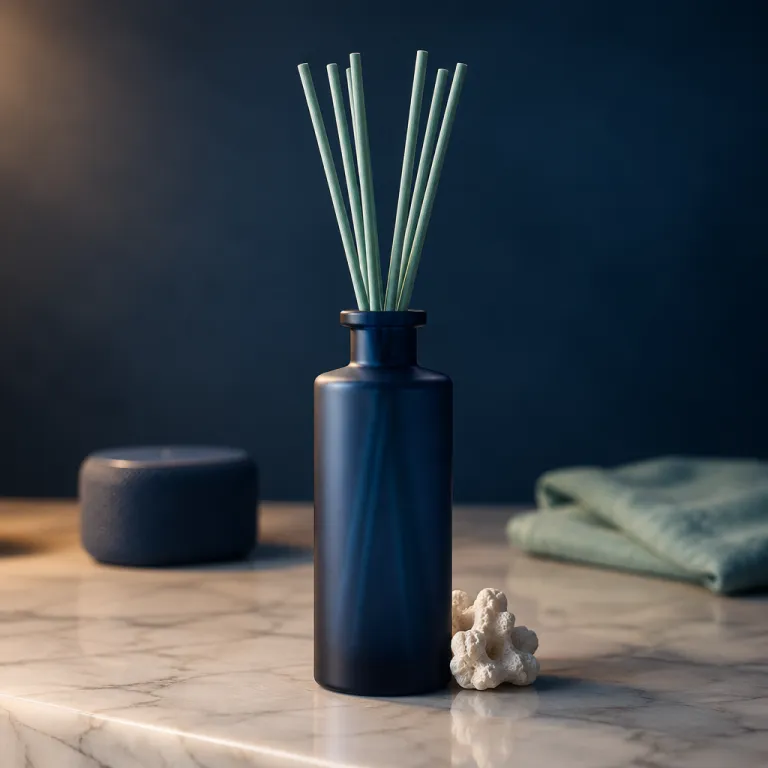
What guests call atmosphere in a Beverly Hills hotel is often a carefully tuned blend of scent, sound, and light. The fragrance in a lobby or lounge is usually a custom blend, calibrated so it feels present when you arrive but fades into the background once you sit. In the most refined beverly hills hotel design interior projects, this scent strategy changes subtly between the lobby, the dining room, and the spa corridors.
Public spaces that carry the most history, such as the polo lounge or the cabana cafe at the pink palace, balance nostalgia with freshness. You might catch a trace of polished wood and coffee near a fountain coffee counter in the morning, then a softer floral note by evening when couples gather for a drink before dinner. Designers know that a hotel pool area needs a different olfactory profile than a quiet coffee room, so they adjust ventilation and planting to keep chlorine, food, and perfume in harmonious order.
Even corridors and elevators, the spaces nobody photographs, are now treated as part of the sensory journey. Properties that take this seriously, like those examined in this piece on what corridors and elevators reveal about a property, use neutral scents and sound absorbing materials to reset your senses between the public buzz and the privacy of your room. This is where beverly hills hotel design interior proves its value, turning transitional spaces into quiet buffers that make every arrival back at your bungalow feel like a small exhale.
Iconic addresses: how legends use invisible design
Few places illustrate beverly hills hotel design interior better than the most storied properties in the Dorchester Collection. At the Beverly Hills Hotel, often called the pink palace, the famous banana leaf pattern and white bungalows are only the visible layer of a much deeper design story. The way sound is softened under the palms by the hotel pool and how light filters through the foliage at the cabana cafe are as important as any photograph of a celebrity guest.
Historic names such as Marilyn Monroe and Elizabeth Taylor are woven into the narrative of this hills hotel, yet the real luxury for a modern couple is the way their room feels like a private world. Acoustic treatments keep the energy of the polo lounge at a distance, while the living room area of a suite is arranged so you can face the garden rather than the television. In the background, the Dorchester Collection design teams work to ensure that every bungalow and main building room shares the same standard of quiet, even when the property is fully sold out.
Across Beverly Hills and greater Los Angeles, other landmark beverly addresses follow similar principles while expressing different personalities. Some lean into Hollywood glamour with bold art and dramatic lighting, others favor a calmer palette that lets the California light do the work. In each case, the invisible elements of design — from the hum of the air conditioning to the way footsteps sound in the corridor — are what separate a pleasant hotel from a truly iconic stay in the United States.
How couples can read beverly hills hotel design interior when booking
For couples planning a romantic stay, understanding beverly hills hotel design interior helps you choose the right property rather than the loudest brand. Start by looking beyond the pool photos and asking how the hotel manages sound between public spaces and guest rooms. If a property offers bungalows or a standalone bungalow in a garden setting, that often signals a quieter experience than a tower directly above a busy lounge.
Pay attention to how designers talk about light and materials in their descriptions. References to acoustic zoning, layered lighting, and natural materials such as wood and stone usually indicate a serious approach to comfort, not just visual decor. Articles that explore the quieter side of the city, such as this guide to Beverly Hills’ quiet cultural identity, can also hint at which neighborhoods and properties value calm over constant spectacle.
When you arrive, use your own senses as the final review tool. Notice whether the dining room and coffee room feel lively yet controlled, whether the swimming pool area lets you hear water more than traffic, and whether your room door closes with a soft thud instead of a sharp slam. In a destination like Beverly Hills, where every hotel claims luxury, the properties that truly earn their reputation are the ones where light, scent, and sound work together so seamlessly that you only notice how good you feel, not why.
FAQ
How does sound design affect sleep quality in Beverly Hills hotels ?
Sound design in Beverly Hills hotels directly influences how deeply you sleep and how rested you feel. Properties that invest in acoustic zoning, insulated walls, and quiet mechanical systems reduce hallway noise, elevator hum, and street sounds from Los Angeles. When booking, look for mentions of soundproofing, bungalows set away from the main building, or suites positioned away from the hotel pool and lounge areas.
What should couples look for in lighting when choosing a room ?
Couples should look for rooms with layered lighting rather than a single overhead fixture. A well designed beverly hills hotel design interior scheme offers bedside lamps, adjustable reading lights, and dimmable fixtures in the living room and bathroom. This allows you to shift from bright, functional light while getting ready to softer, more intimate light when you return from dinner.
Are scented lobbies a sign of a better luxury experience ?
A scented lobby can indicate attention to detail, but only when the fragrance is subtle and well balanced. In top Beverly Hills properties, scent is used to create a gentle signature rather than to mask other odors. If the aroma feels overwhelming or follows you aggressively into the elevators and corridors, it may suggest style over thoughtful beverly hills hotel design interior.
Is a bungalow or main building room better for a quiet stay ?
A bungalow or garden level suite often provides a quieter stay than a room directly above a busy lounge or dining room. Separate structures reduce shared walls and vertical noise, especially in properties with active hotel pool scenes. However, well designed main buildings with strong acoustic treatments can match this calm, so it is worth reading detailed reviews before you order your preferred room type.
How can I tell if a hotel values invisible design before I book ?
You can often tell by how the property describes its spaces and by the details guests mention in reviews. Look for comments about how quiet the rooms feel, how comfortable the lighting is at night, and how restful the overall atmosphere seems. Hotels that talk about materials, acoustics, and sensory comfort as much as about celebrity history or Hollywood glamour usually take beverly hills hotel design interior seriously.